A clean office is a productive office. Workplaces with effective cleaning protocols and sanitization are safer, brighter, and more welcoming to employees. Not to mention, we’re living in a day and age where the spread of germs is in the forefront of all of our minds. To maintain a healthy work environment where staff can be highly productive, you’ll want to ensure the cleanest spaces possible. Here are some easy office cleaning tips you can follow for general office cleaning.
Office cleaning tips
Sanitization
The big takeaway of this article is to make sure you are effectively sanitizing the office at least once a day. A positive outcome of the Covid-19 pandemic has been greater attention to sanitization measures in workplaces and public spaces. Employers have been forced to review their processes and products and ensure that surfaces are wiped down and sprayed multiple times a day.
Even outside of a pandemic situation, effective sanitization is essential in an office space where multiple people share tables, restrooms, and conference rooms, and touch the same surfaces such as elevator buttons, door handles, telephones, and more.
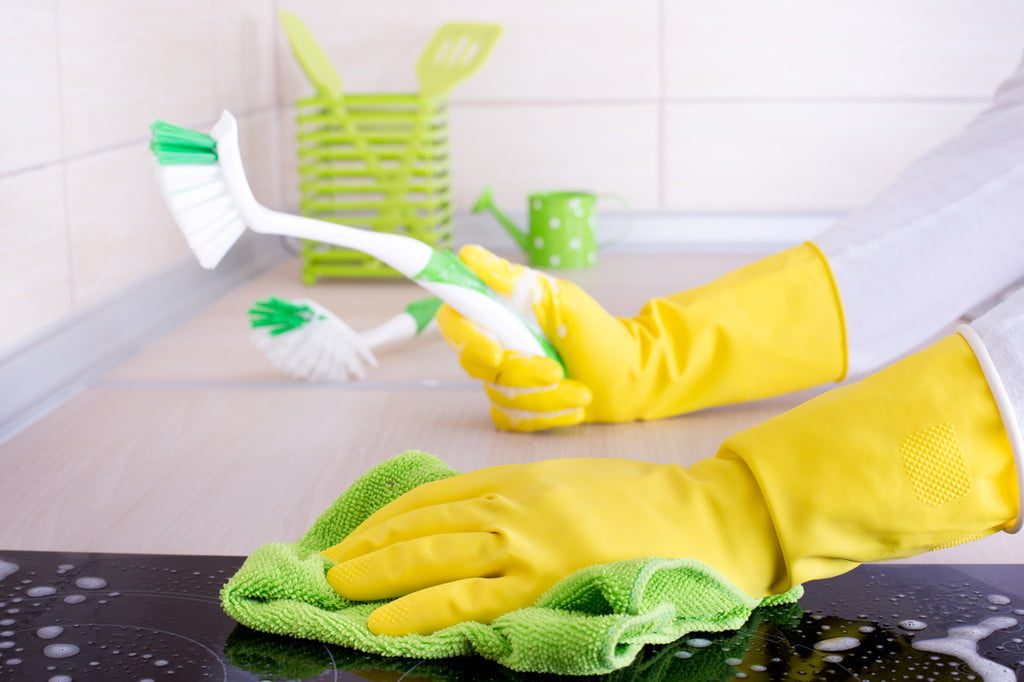
Office cleaning staff should regularly use disinfectant products that kill most bacteria and viruses to keep surfaces free of harmful germs. Employees can also wipe down desks and bathroom counters after use, with sanitizing wipes and disinfecting sprays. And don’t forget shared keyboards, conference room equipment, and water and coffee dispensers.
Regular schedule
Daily surface cleaning and weekly deep cleaning help prevent dust, grime, and bacteria from building up in common areas. Hire a reliable cleaning crew that’s been thoroughly trained in sanitization measures and safe cleaning methods.
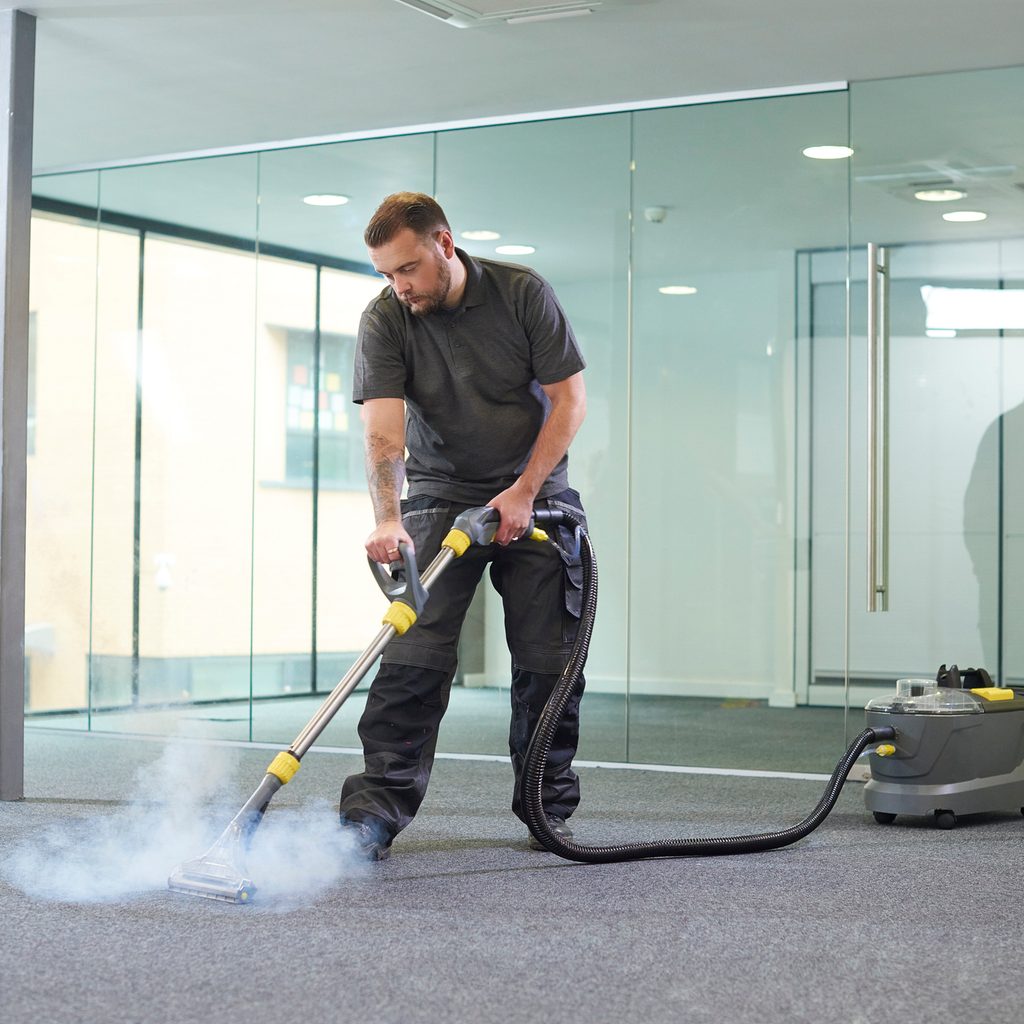
On a daily basis, they should empty and dispose of trash, clean restrooms and replace paper products, wipe down desks and office equipment, vacuum carpets and mop floors, clean sinks, and sanitize door handles and elevator buttons, and other shared surfaces.
Once a week or more, a more detailed cleaning should involve spraying and wiping down walls with disinfectant, dusting light fixtures, cleaning floor and window crevices, and cleaning windows.
Trash collection
Encourage your employees to take a leadership role in collecting and sorting trash. Set up separate trash receptacles for recycling items such as plastic, styrofoam, and bottles, and another for snack wrappers if you have a place to recycle those.
And if your teams are located on different floors or wings of a building, some friendly competition to see which team is the best trash sorter can motivate better disposal practices. These extra efforts will facilitate green habits and encourage employees to be more careful about separating items before putting them in trash cans.
Clutter reduction
Employees often like to adorn their desks with personal items to feel more at home. Photos, swag, and sports knick-knacks–those belongings add character, but they also collect dust and mold.
The Covid-19 pandemic prompted some offices to go a more streamlined route, asking employees to clear everything personal off their desks and keep surfaces bare for daily cleaning. That has been a positive outcome that’s prompted more people to clean their workspace and cut down on the clutter.
Every surface collects dust. Even stacks of paper attract mold and dust particles. The fewer items that employees leave out, the easier it will be to keep the whole office clean and inviting. Instead, put personal belongings and work supplies in adjacent desk drawers for easy retrieval.
Exterior
The building or office exterior also needs attention from cleaning staff. If your company occupies an entire building and you are responsible for maintaining the exterior, you will want to ensure it’s clean and attractive. Sidewalks and entryways should be swept and free of litter. Any plants or landscaping must be regularly maintained and weeded.
Or if you rent out a space in a building that’s managed by another party, keep your main office door and reception area clean and without clutter. Take a look around each day and make sure your employees are doing their part to keep your office space free of trash and personal belongings, particularly if the business is public-facing.
Air quality
Your office environment will be even more pleasant if you take steps to maintain healthy, clean air quality. Air purifiers, dehumidifiers, and regularly maintained HVAC systems will cut back on the accumulation of dust and mold particles. Avoid cleaning products and air fresheners that use too much fragrance, as some people have allergies to perfumes and certain chemicals.
Keeping a tidy office is a daily task. High-quality products, regular cleaning, and participation from employees and the housekeeping staff will help you maintain a clean office and lengthen the life of your equipment and furniture.


