In 2021 and before, the most prevalent all-electric vehicles were sedans and SUVs. Now that we are in 2022, more manufacturers are releasing EV trucks now and in the future. These EV truck options are highly competitive and could significantly impact the commercial work truck market. The exponential growth seen in the EV industry over the last few years has shown that all-electric is the future of our roads.
This rampant growth in the EV industry can potentially impact the trucking industry as well. It should be expected that naturally, the EV semitruck could likely be the next in-demand innovation for the EV industry. Therefore, this post will discuss the impact electric vehicles could have on the trucking industry.
Existing trucking industry expectations
Shipping and transporting items across the country is one of the largest industries in the U.S. and globally. Respectively, the most considerable portion of domestic transport of goods is done by freight using semitrucks and commercial trucks.
For many commuters and interstate drivers, the most common commercial vehicles seen on the roads are semitrucks. According to the American Trucking Association, the trucking industry is still ever-present, with 10.23 billion tons of freight transported by trucks in 2020, which represents 72.5% of total domestic tonnage shipped. The ATA also stated that for 2020, around 80.4% of the nation’s freight cost $732.3 billion in gross freight revenues from trucking primary shipments alone.
Developing EV truck initiatives
The trucking industry is still in high demand. With the fundamental push for more electric vehicle options on the road, vehicle manufacturers are developing and designing potential prototypes for all-electric commercial and semitruck options.
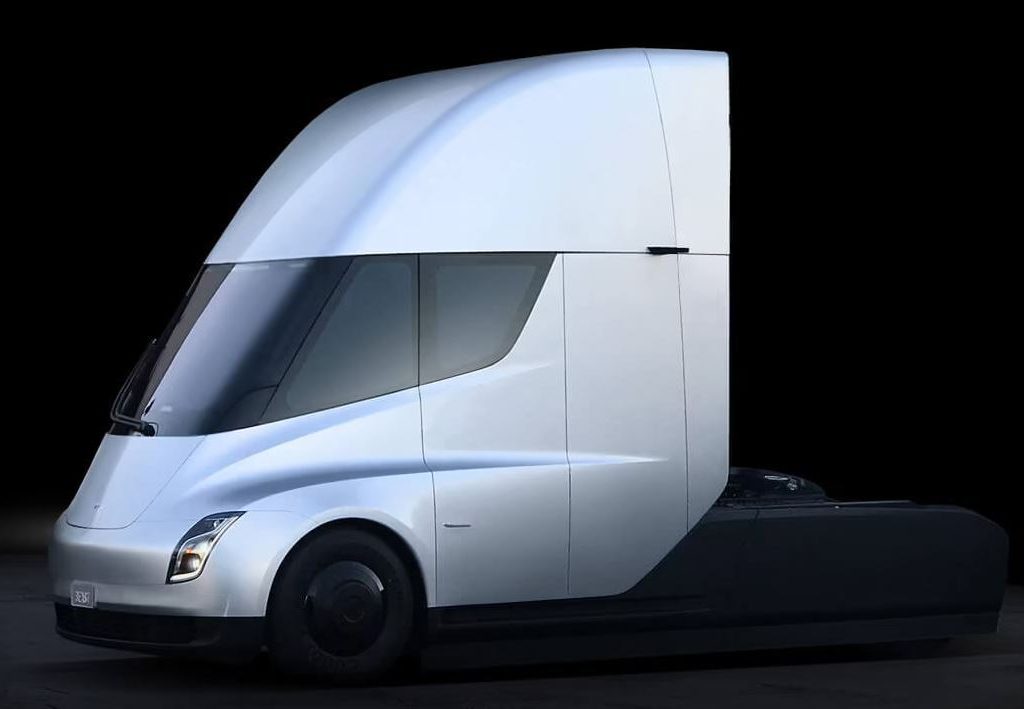
For example, Tesla has unveiled its Tesla Semi, which is anticipated to begin production for release this year. This tractor-trailer is projected to have a range of 300 to 500 miles on a charge. Also, Tesla has officially begun installing large-scale mega chargers designed for these trucks in specific locations in the U.S., as reported by Teslarati.
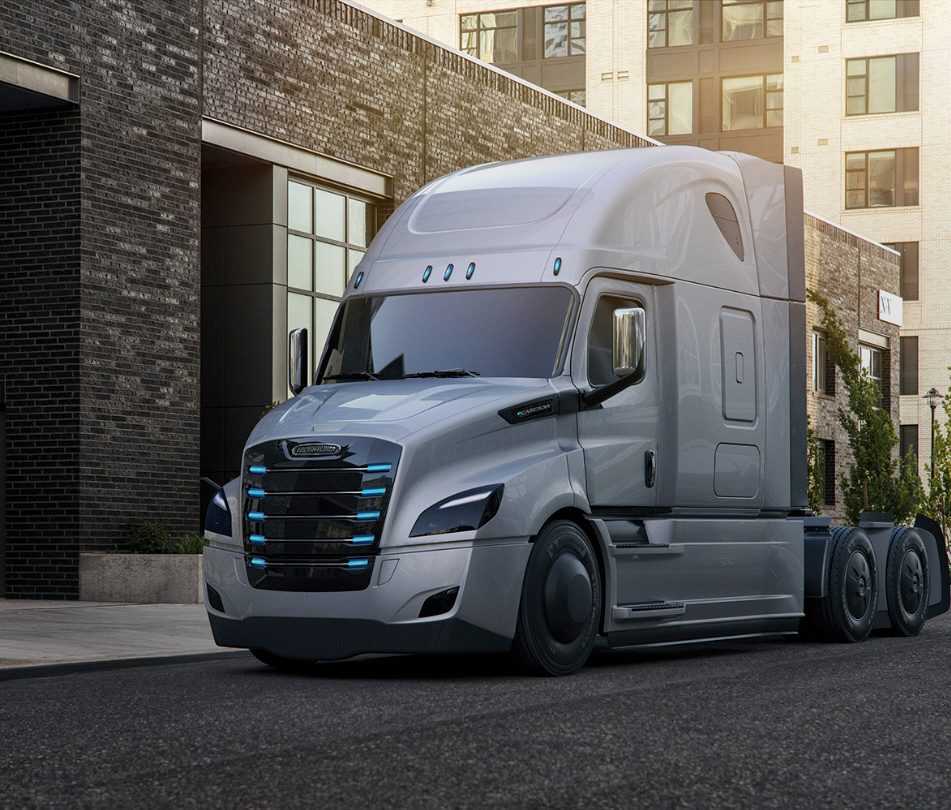
Other companies have also been developing and engineering all EV semitrucks as well. Another company doing so is Daimler North American with its Freightliner model lines that include EV semitrucks and other EV commercial truck options. The Freightliner EV semitrucks are expected to begin production this year, according to MotorTrend. The current prototype options set to be built could be revolutionary and present an advantage to the EV impact on the trucking industry.
How EVs could impact the trucking industry
As the EV auto industry has seen more popularity over the years, it’s only natural to believe more commercial and semitruck options will follow suit. There are many advantages to incorporating more EV options within the trucking industry. However, one of the most significant impacts of EVs on the trucking industry is the battery and towing capacities needed for hauling extreme heavy freight. For instance, critics believe that the potential for EV semis and commercial trucks is possible, but still believe that it’s not quite there yet for full embrace like the EV auto industry has seen.
According to Fleet Owner, numerous trucking industry experts have stated that the most outstanding issues now faced in the industry are the regulations and strategies that are often inconsistent from state to state, including region to region. This issue can be frustrating, especially to fleets operating nationwide.
Furthermore, the article also stated that many experts in the industry believe the incentives don’t cover the current incremental costs of fleet electrification, even with tax incentives for going EV. Experts concluded that the trucking industry might not be streamlined enough to handle EVs.
Potential obstacles for EVs in logistics
Although the push for more all-electric vehicles on the road is ever-present, the logistics industry faces several obstacles in adding EVs into its sector. One of the biggest concerns for the logistics industry is the potential for supply chain issues with EVs. Many experts believe the current supply chain infrastructure is not yet prepared to adapt to all-electric vehicles. An article from Forbes advises there are three main factors to consider when attempting to transition from such a high-demand and time-restrictive industry, like logistics, to EV.
Below are some areas of concern for the EV impact on the trucking industry.
- It will cost a great deal of money to prepare the market, the electrical grid, and the nation’s public transportation infrastructure for EVs.
- Transforming an industry is expensive, given an EV charging station can cost upward of $1 million.
- There’s a short supply of EV semis and trucks available, as this is still a developing and evolving technology in vehicles. For example, if diesel-based engines were banned today, there would not yet be enough EVs to replace them all, causing a ripple effect in the domestic supply chain.
- There is still a lack of charging capabilities nationwide. The problem lies within the fact that there is a relative lack of EV charging infrastructure. For instance, in larger cities with higher rates of EV adoption, charging stations can easily be found in public areas. However, there are limited or no charging infrastructure in other areas, which is especially crippling to commercial vehicles that may not have personal charging capabilities.
Concluding comments on the EV impacts on the trucking industry
The EV revolution is here and to stay for the long haul. While the current market of EVs favors personal vehicles, the initiative to incorporate more commercial options is also present. There are many advantages to the EV commercial truck market; however, many developers and companies will need to consider which will work best.
Factors, such as access to chargers, cost considerations for implementing an all-electric fleet, and not impacting the supply chain demands will be the most significant driving forces for EVs within the logistics industry. With many manufacturers still in the preproduction process, there’s a lot more to come regarding the EV impacts on the trucking industry.


