
Busting the dust in your home seems like a straightforward task, but you could be doing wrong. If you don’t feel like there’s an inaccurate way to dust, maybe you’re already doing a decent job. Perhaps you’re still wasting precious time dusting, though. Either way, dusting the right way means you’ll save time and effort in the long run.
Dust may not even seem like a cleaning priority either. If you suffer from respiratory concerns or experience a heightened sensitivity to allergies, it could be from the dust particles around you. Proper dusting can save you from sneeze attacks and breathing irritations.
There is the best way to dust, which involves following the proper steps and using the right tools. Read on to learn how to dust better than ever before. You’re sure to find less dust floating around your living space after following this guide.
1. Work from top to bottom
The best dusting method starts with cleaning dust from the top of rooms and spaces in your home. For most homes, this means cleaning ceiling fans and vents. When you start at the top, any dust falls to lower surfaces. Working your way down saves you time and elbow grease.
How you choose to clean these areas depends on your personal preference. You can use tools like a vacuum with a brush attachment to suck up and knock loose large clumps of dust. Explore microfiber cloths or rods to wipe surfaces. And you can even invest in washable AC filters to ease dusting cleanup in the future. Plus, it’s more sustainable, too!
Ceiling fans
Here’s a step-by-step guide to cleaning dust from your ceiling fans:
- Place something on the floor to catch falling dust (rags, drop cloth, or newspaper.)
- Stand on a stool to reach the blades.
- Wipe down each blade with a brush, microfiber cloth, or paper towel. To catch more dust, wet the cloth or towel.
- Vacuum dust clumps off the floor.
Vents
Cleaning vents is very similar to cleaning fans. You may use a dampened cloth or towel. Or, if you prefer, you can vacuum dust using a hose and brush attachment. Make sure you prioritize ease and safety when cleaning higher spaces.
The seven-day rule
Another key takeaway from cleaning upper areas first (and dusting in general) is the seven-day rule. Keep in mind some spaces need a wipe down once a week, such as blinds and other surfaces. Ceiling fans and vents may not fall into this category (once a month may work best for you). But some surfaces need a quick once-over to help minimize respiratory irritation and allergens.
2. Dust from windows to walls
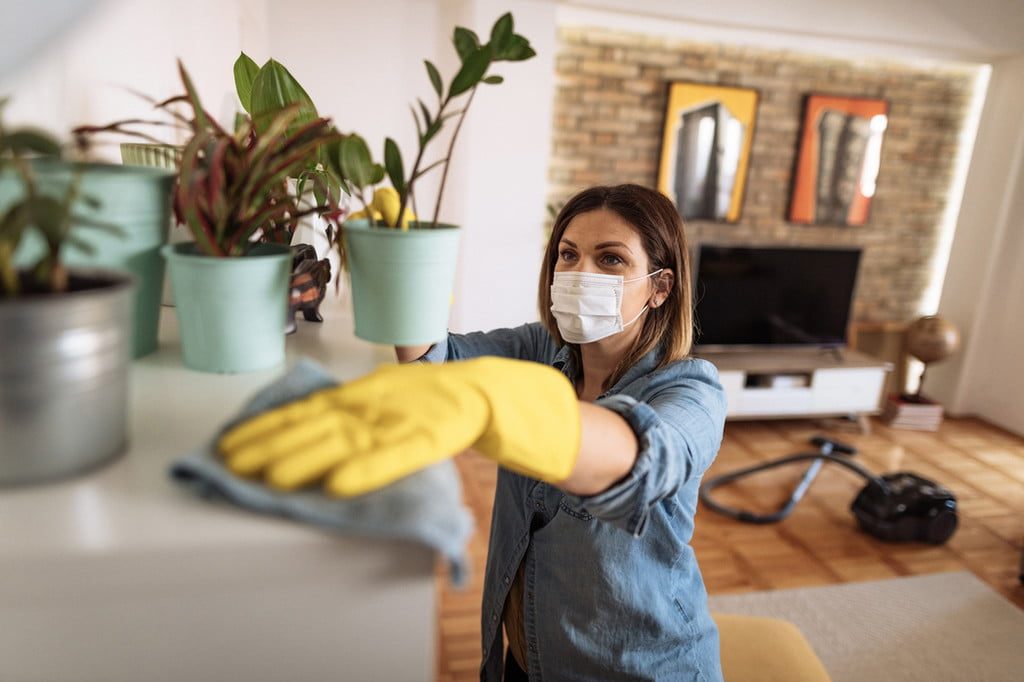
Once you clean the ceiling fans and vents, it’s time to start working your way down the windows and walls. Some windows have blinds, shades, or sills and others don’t. And some walls have texture, ledges, or baseboards. Depending on your space’s unique features, how you clean varies. Your best bet is to select a tool with multiple functions.
A vacuum with a brush attachment can expedite any cleaning of blinds, shades, or sills in a room. Go from top to bottom to avoid re-cleaning any dust knocked loose. This also ensures you take care of the remaining dust once you finish cleaning the floor.
3. Get down and dirty
As you make your way down the walls, you’ll find yourself face to face with an often forgotten area that dust settles on — baseboards. These tricky little ledges seal in wallpaper and fill the gaps between drywall and flooring. They also collect tons of dust.
To top it off, baseboards are also hard to reach. But a wet towel, rag, or microfiber cloth does the trick to remove even the most built-up dust bunnies with ease.
Appliances and furniture
Dust doesn’t just settle on baseboards. You’ll find tons of dust behind appliances and furniture, too. It’s important to clean behind these areas, as debris naturally accumulates. The most useful way to get the job done is to remove these appliances (on a yearly or biannual basis) to discover any crumbs, dust, or dirt.
For your furniture, it’s also important to move it occasionally to clean and dust behind. But what about dust settling on furniture? Most cloth material collects and hides dust, but a quick dust vacuum does the trick. However, leather or faux leather doesn’t collect dust the same way. You can clean the dust off this type of furniture with a damp cloth or wipe it down with leather polish.
4. Get to the bottom of it
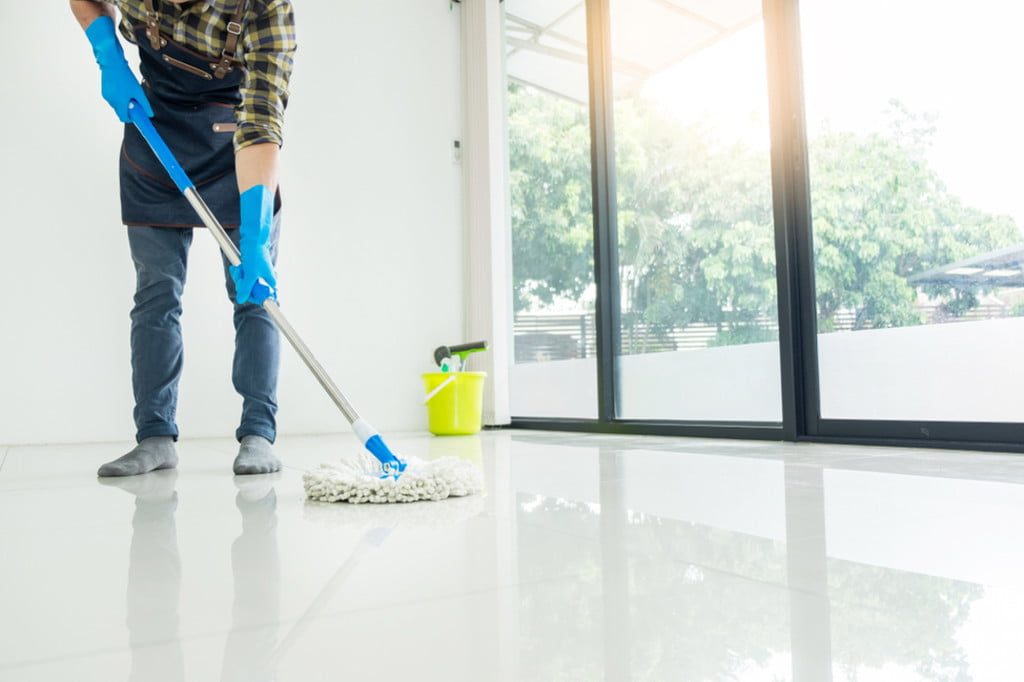
Once you’ve made your way from the ceiling to the floor, you’ve got one last step. Carpets, hardwood floors, linoleum, and tile collect dust. The best way to reduce the overall dust count in your home is to clean your floors. Vacuum your carpeting and mop (wet or dry) your hardwood and tile flooring.
Closing thoughts on tips for dusting
If you want to know how to dust better than ever and save time doing it, follow these tips for dusting. Start at the top with your ceiling fans and end with your floors. And ensure you wipe down surfaces on a weekly basis to cut down on total dust buildup.