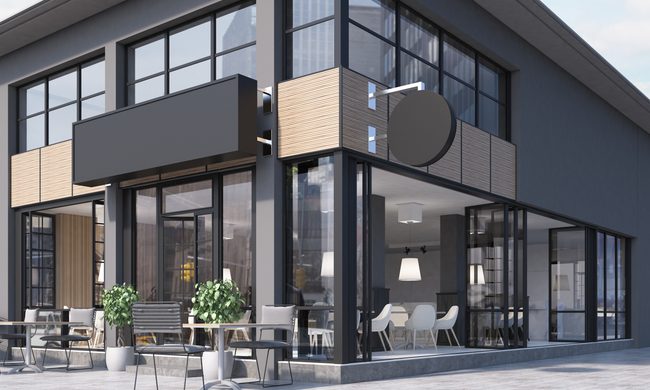
So you’ve decided to open a restaurant and live your dream of making everyone’s tummy happy! Good for you. However, you can’t just lease restaurant space without knowing a few things first. For example, jumping in and renting the first place you see could be a drastic mistake. That’s because wherever you choose to open your restaurant will impact your business in myriad ways, including:
- Your overhead costs
- Your marketing expenses
- Your labor costs
- Your utility bills
Your restaurant-leasing space can essentially affect almost every aspect of your business. It is, therefore, a significant decision that you shouldn’t rush. When deciding upon your location, you’ll need to consider things like:
- The cost to rent the commercial space
- The cost of any renovations that need to be done
- The cost of building inspections
- The cost of any permits you must acquire
You also need to think about the neighborhood you want to open in and what kind of foot traffic you’re likely to get. Now, everything previously mentioned might sound complicated. However, remember that all of it is within your control. Play things smartly when leasing a restaurant space, and you’ll greatly increase your chances of remaining in business a year after you’ve opened.

What is a lease agreement?
Restaurant-lease agreements are legally binding contracts between a tenant (you) and a landlord. It’s always recommended to speak with an attorney familiar with commercial real estate leasing agreements and who fully understands the relationships involved.
Now, most commercial leases are tailored to the specific needs of the relationship between landlord and tenant. However, there are some commonalities between them all. Things just about every restaurant-lease agreement will include are points on:
- The size and description of the premises
- The agreed-upon price of rent
- Amount of taxes you must pay
- Operating expenses
- Utility expenses
- Payment-delivery method
- Security deposit
- Method of handling payments that are past due
- Terms of renewal
- How you will use the rental space
- Parking spaces available
- Subletting terms
- Sign policy
- The party responsible for paying utilities
- The party responsible for paying damages due to disaster
- Conditions in which the landlord can enter to examine, inspect, and repair property
- Termination agreement (rules governing breach of contract, situations like bankruptcy, and more)
- The jurisdiction under which the contract will be governed
- How you will handle conflicts (litigated, arbitrated, mediated, etc.)
Ask the following before signing a restaurant-leasing agreement
There is a lot to think about before signing any commercial leasing agreement. Remember to be as critical in your thinking as possible. When you’re opening up a business for the first time, your emotions can play a significant role in your decision-making process. However, it’s in your interests to keep emotion out of any business decision regarding your restaurant’s location and any interaction you have with the landlord.
Below are questions you should ask that can help clarify and prioritize what you want in your leasing agreement.
What are your renewal options?
If you don’t have the option to renew, say if the landlord plans to use the property for something after your initial lease is up, you should probably look for a different location. Think about the cost of having to stop operations and move to a new location. That can be a massive undertaking, and it’s certainly an expense you don’t need. Therefore, make sure that you have the option to renew your lease and pay close attention to the terms.
What are the renovation and property-improvement restrictions?
Most commercial lease agreements will include clauses that limit how much you can renovate and where. Obviously, this will affect your ability to modify your rental space. If you have ideas about how your restaurant should look, but structural changes aren’t allowed, you may want to think twice about renting there.
Moreover, even if you decide that the restrictions on renovation are acceptable, you’ll still need to pay attention to things like whether you need to:
- Purchase or lease equipment
- Purchase or lease appliances
- Return the leasing space to its original condition when your contract is up
- What are your parking options?
In addition to the parking spaces on the property you’re thinking about leasing, you should ask the landlord if there are other parking options nearby. Considering the seating in the building itself, are there enough parking spots for all your patrons? Are there guaranteed spots for you and your staff? Be sure to get this information.

Be sure you know what’s expected of the landlord
While you obviously need to know what is required of you should you sign the lease, you must also be aware of what the contract demands of the landlord. You need to know who is responsible for what so that you can avoid surprise expenses.
For instance, be sure to ask who is responsible for things like:
- Repairs (e.g., HVAC)
- Maintenance costs for parking lots, grass cutting, snow removal, bathrooms, etc.
- Security
- Property taxes
- Insurance
After you’ve acquired all of the information mentioned above, and you’ve decided that the leasing space is something you want, it’s time to negotiate a contract with the landlord that’s mutually agreeable. Good luck!