
Whether you’re starting a new restaurant, revamping your entire menu, or simply introducing a new dish, it’s essential to have a good handle on the overall cost to prepare and sell that dish. The restaurant industry has infamously tight margins, and it’s vulnerable to fluctuations in the economy, the seasons, consumer tastes, and changing food prices.
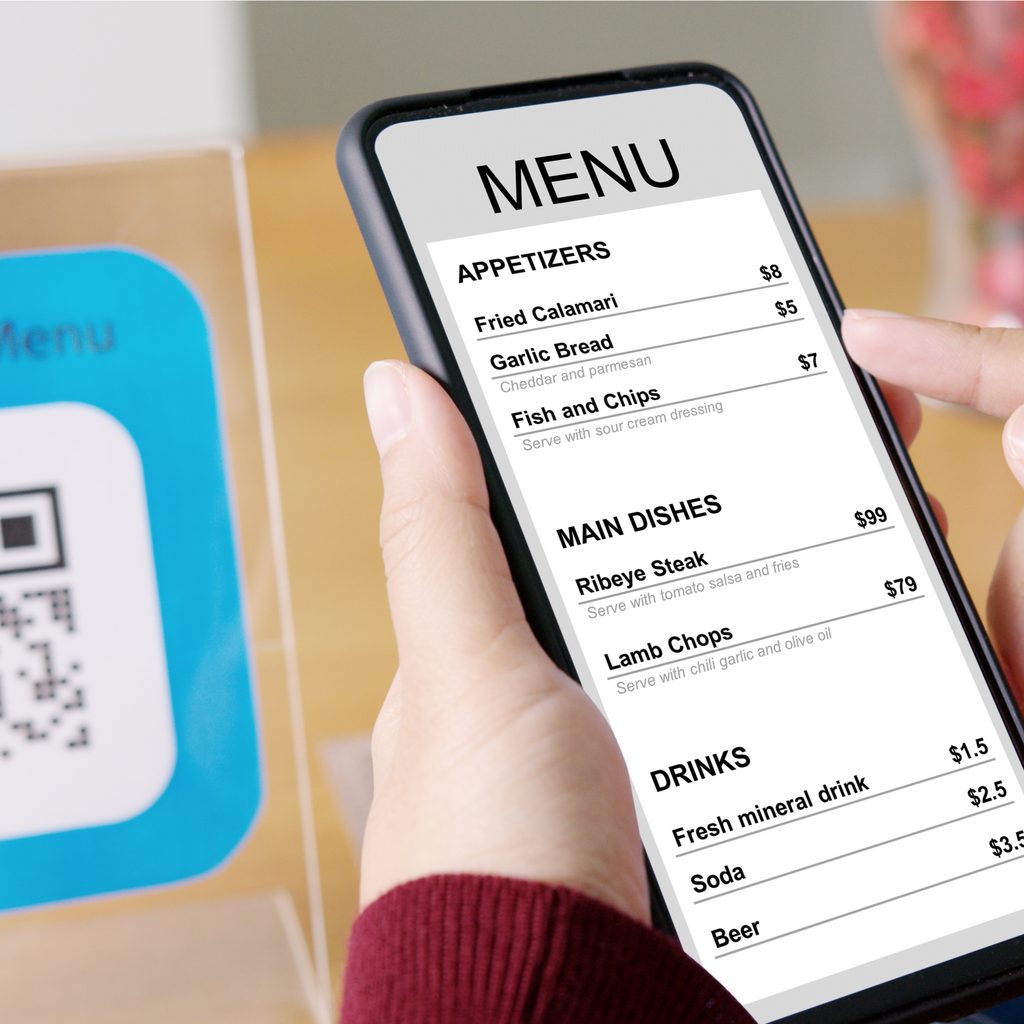
For these reasons, and to maximize potential revenue coming into your restaurant, you should carefully monitor and control menu and food pricing. Here are some useful tips for managing food costs when developing and implementing a restaurant menu.
Direct and indirect costs
One of the first steps is to have full awareness of the base cost of each ingredient in a particular dish and across the entire menu. Be sure to calculate the amounts and weights of each ingredient that you plan to use in each dish. It’s also important to estimate how many portions you expect to serve over time — by day, by week, by month, and so on.
Also, figure how portion size and waste affect your direct costs for the food. How much might you waste on a given evening cuts back on your overall profit. How does portion size affect revenue and the cost/profit ratio? These are all factors to include in your overall calculations.
You don’t spend indirect costs on the dish itself, but instead, you contribute to the overall dining experience. This includes labor costs for servers and expenses for table linens, lighting, music, and so forth.
And finally, operational costs include building and room maintenance, utilities, laundering, and service salaries. You should also factor in the range you’re willing to charge for a particular dish — what’s the highest and lowest you will go? That range can help you adjust your prices when other factors go up or down, such as food and delivery costs.
Ideal food cost percentage
This number is the percentage of your sales that you spend on food costs. On average, restaurants’ food cost percentage is 25-35%. The lower, the better, for maximum revenue.
Price calculation
Now it’s time to calculate the price of each menu item:
Price = raw food cost/ideal food cost percentage
This equation helps you settle on a price for each dish. Feel free to round up or down slightly for a cleaner, more appealing price for your customers.

Gross profit margin
Another way to calculate food costs for your menu is by choosing your ideal gross profit margin. This is the percentage of profit made from your sales. If one dish produces a 35% profit margin, you’re earning 35 cents for every dollar sold of that item. Whatever is left helps you cover ingredients and other operational costs to get that dish to the customer.
Use this equation to determine your ideal gross profit margin:
Ideal gross profit margin = (menu price – raw food cost)/menu price
This is another way to settle on a menu price for this dish. You may also calculate the gross profit margin for dishes that are already on your menu with this equation:
Gross profit margin = (menu price – raw cost)/menu price
These different determinations of gross profit margin give you more data to understand the effects of your menu pricing on your net profit. Here is how to figure out your net profit:
Gross profit – (labor costs + operating costs) = net profit or loss
More gross profit means you have more remaining after you pay for labor and operating costs. Therefore, high-profit menu items should be a core part of your overall business strategy.
Supply and demand
Another strategy when mapping out food costs is to consider the demand for a particular dish, cuisine style, prized ingredient, or method of cooking. Will you charge more for a specialty item that’s wildly popular and requested by many of your customers?
Or perhaps higher demand can stem from your restaurant’s location or menu service on a holiday, such as Thanksgiving or Valentine’s Day, when tables are at a premium and customers are likely to pay more. It helps to have a deep understanding of your target market and experience serving food at different times of the year.
There are a variety of paths to determining your food costs when developing or reviewing your restaurant menu, from direct and indirect costs to supply and demand. Be sure you have a comprehensive understanding of each ingredient’s cost and amount used in the menu on an average day. And if you monitor those trends over time, you can keep up with changes to help you determine food cost adjustments you may need to make throughout the year.