
  1. Home
  2. Growth
  3. Evergreens

5 handy kits for a working kitchen garden

Add as a preferred source on Google

Planting a working kitchen garden is a wise investment. Not only does it mean you’ll have ready access to food in your own backyard, or back deck, or rooftop garden. It also lets you grow a quantity of foodstuffs with relatively low starter costs. Not to mention you can plant according to your own tastes: like chili peppers? Plant another row of habaneros. Upping your exercise routine? Grow superfoods to keep you boosted. You might not be harvesting bushels of beets overnight, but any one of these five gardening kits can get you started on the journey to a working kitchen garden.

If you’re going to eat what you plant, might as well make it exciting, right? This Plant Theater Pepper Seeds kit has both sweet and hot peppers, including a special Frying Mix and California Peppers for a tamer taste, as well as Jalapeno, Habanero, and Cayenne for a hit of fresh heat. Six pots, peat discs, and stakes (for identification) should get your pepper seedlings going.
Recommended Videos
Another fun seed kit from Plant Theater, the Funky Veg collection includes a rainbow of healthy veggies: golden zucchini squash, Rubine Brussels sprouts, striped tomatoes, rainbow chard, and purple carrots (which really do taste different). In addition to seedlings, you’ll receive five pots with peat discs plus instructions for ideal growing conditions.
If you’re not ready to try vegetables, this Herbal Tea Garden Kit from Nature’s Blossom is a more relaxed way to dive into grow-your-own. It comes with four herbs perfect for herbal tea—mint, chamomile, lemon balm, and catnip—as well as compressed potting soil pellets, biodegradable planting pots, labels, and a comprehensive guide.
Yes, “superfoods” are all the rage—they’re also fairly expensive. But not if you grow them at home! This simple Gardening Kit from Nature’s Blossom includes four “superfoods” that also happen to be tasty, useful ingredients in a healthy meal. You’ll get seeds for kale, leek, beet, and Brussels sprouts, as well as biodegradable planters (for when you transport them outside) and a detailed how-to.
Some people don’t like onions. But most functioning, working kitchens use onions on a regular basis. They’re incredibly versatile aromatics—used fresh or cooked—and have surprising health benefits. This Onions Seed Starter Kit from Nature’s Blossom includes four different kinds, for unique flavor profiles: green onion, shallot, purple, and classic yellow. Planting pots and a handy guide will take you from onion grass all the way to big, juicy bulb.

There are lots of reasons to start your own kitchen garden these days. You might be spending more time at home, in your own kitchen, and cooking a lot more. And maybe you’ve noticed that decent produce is coming in at increasingly higher prices. While it’s an up-front investment, starting your own kitchen garden is ultimately low-cost and (once you get your thumb nice and green) high-yield. Not to mention you can guide your garden to follow your tastes, and keep your crew eating healthy, too.

Topics
How to start your own landscaping business
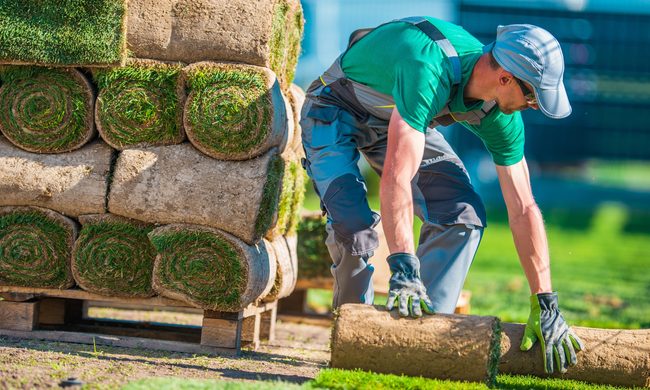
Man installing natural grass Turf

It's a lot of work to design a landscape or maintain a yard. Of course, that's why there are many landscaping businesses working to help their respective communities with tasks like weeding, mowing, and other types of lawn maintenance. With that said, there always seems to be more work than many landscaping companies can handle.

Because of that huge demand, you may have found yourself contemplating starting your own landscaping business. That's especially true if you're the outdoors type who loves the smell of mulch and freshly cut grass. However, starting a landscaping business from scratch requires a bit of forethought. In the following article, we'll break down the pros and cons of starting your own company and how to start a landscaping business the right way.

Read more
What Uber’s resurrection teaches us about adversity as a startup
Person with smartphone dialing Uber

Uber’s had a hard time of it. The COVID-19 pandemic has scarred countless businesses, and Uber wasn’t completely spared. However, the company has slowly resurrected as the world comes out of lockdowns. Its competitive spirit made it strive to succeed even under the worst of circumstances, and today it’s bouncing back from the pits of adversity.

However, is it simply a refusal to be crushed by circumstance that has allowed Uber to survive? Is it all about believing in yourself even when the world thinks you’re down for the count? What’s the secret sauce, and what can Uber coming back from the brink teach business owners about adversity as a startup?

Read more
Things to keep in your vehicle when traveling
the best car carpet cleaners for interior and detailing cleaner1

We've all been there. On the road, driving to work or running errands, wishing we'd remembered to pack a specific something to tackle that specific (unanticipated) problem. Being a prepared driver, whether making a quick dash to the supermarket, or embarking on a long road trip, is what most of us aspire to, yet we somehow find ourselves without essential tools when we need them most.

We're all familiar with the 'must have' driving accoutrements, of course—does anyone ever leave home without coffee mug, USB cable, and Kleenex tissues?—but there's plenty more we can do to meet the more significant challenges encountered while traveling by car. By investing in a few versatile, strategically chosen items that can easily be stored in a vehicle, managing the inevitable inconveniences of being on the road will become a more effortless endeavor.

Read more