
These days, how a product is packaged and presented to potential buyers is one of the crucial first steps in the user experience (UX). Packaging is the first impression that a customer has of your product. We all know that a bad first impression can be challenging to correct professionally and socially.
Your company has the tough job of incorporating brand voice, company values, and product features/benefits onto the limited space of a box or bag. Not only that, but you also have to appeal to your target market through words, imagery, and the composition of the packaging itself. It doesn’t end there. The packaging you choose for your product must also protect it while in transport.
The choices can be overwhelming when it comes to product packaging options, especially if you’re a small business without a dedicated packaging department. Depending on your product, you may be limited on what your product’s packaging can be comprised of. Fortunately, we’ve run down the most common packaging design materials to help you make the best decision.
Plastics
Plastics are among the most common and inexpensive packaging materials. Plastic packaging is excellent at protecting your products.
One main thing to consider when choosing plastics for your packaging is the environmental impacts of your company’s choice. Consumers who value sustainability may avoid purchasing products that aren’t packaged with biodegradable materials. If you choose plastic, ensuring that it’s easily recyclable is key.
Paper-based materials
Another common form of product packaging is paper. There are many considerations when it comes to the functionality and design capabilities of paper packaging.
Chipboard
Chipboard is an excellent choice for products of all shapes and sizes, plus it’s one of the most affordable options. It is viewed as an eco-friendly material because all chipboard is made from recycled material and is recyclable itself. It comes in both lightweight and heavy-duty formats. You can print any design on paper material, and you can even make it antistatic to protect electronics better.
The biggest downside of chipboard is that even at its thickest, it’s still not super durable. Chipboard is also very susceptible to moisture, so it loses a lot of strength if it gets wet at all. Because chipboard is so standard, it’s also often viewed by consumers as budget packaging. So, if you’re selling high-end products, it may be best to stay away from this paper packaging option.
Paperboard
Like chipboard, paperboard is lightweight and inexpensive. It comes in one-ply to more durable multi-ply formats. Paperboard and chipboard have almost identical functionality. The main difference lies in that chipboard is always made from recycled materials, while paperboard can be but isn’t always. Because of this, paperboard can be seen as less sustainable than chipboard.
Corrugated cardboard
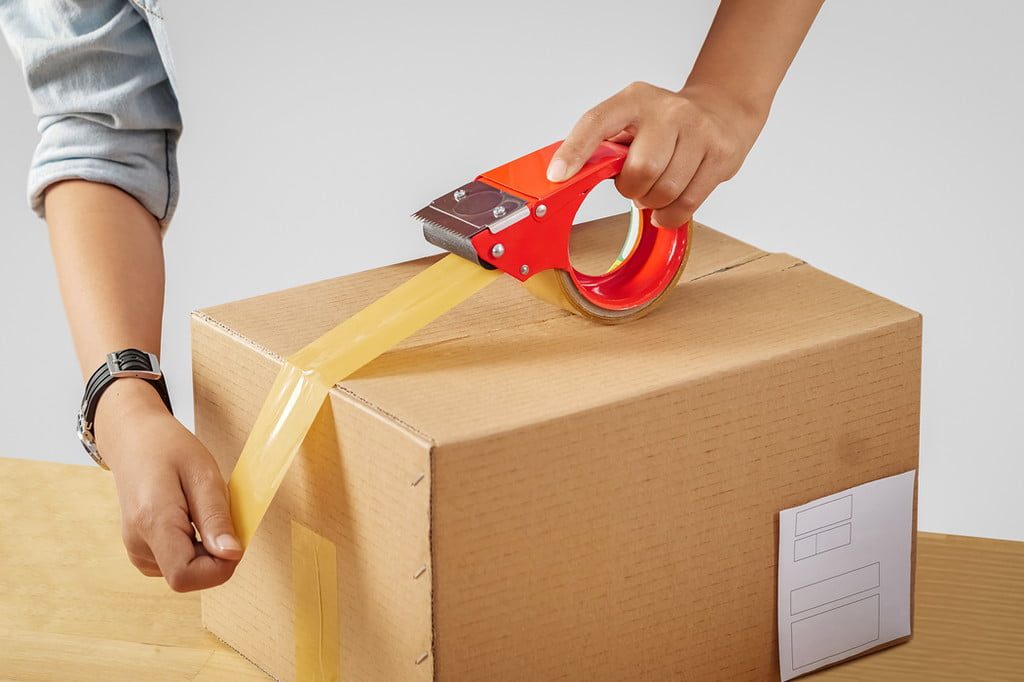
Perhaps the most common packing material around is cardboard. It can be used in many applications and is typically made from recycled paper, making it a sustainable choice. It’s also very strong and very cheap. However, it’s hard to dress up cardboard, making it hard to make it appear premium in the consumer’s eyes. For this reason, cardboard is usually reserved as the means of safely shipping goods to the customer.
Rigid boxes
Rigid Boxes are the most premium paper packaging options around. Think of the packaging that comes with laptops, smartphones, or jewelry. Due to this, it’s also the most expensive paper option. They are so costly because they aren’t collapsible, so shipping the boxes comes at a higher price. Also, they’re often specially designed with compartments, hinges, lids, windows, or many other custom features, which add to the cost. Rigid boxes are solid and keep your goods very safe, all while looking great in the process.
Natural fiber materials
Utilizing natural fibers for packaging is most commonly used in the apparel and luxury goods industries. While natural fiber packaging comes with some benefits, they also come with some downsides. One of the main advantages of natural fiber is its ability to be customized, strengthening brand recognition. Think of the Crown Royal whisky bag.
Cotton
Cotton is a ubiquitous form of natural fiber packaging. It’s soft, breathable, and relatively inexpensive. Cotton bags can be seen as reusable, making them an appealing green option; however, the opposite can occur if the cotton isn’t organic or sustainably sourced. The most significant disadvantage of cotton is its lack of durability, making it primarily a point-of-sale packaging material.
Jute/Burlap
Jute or Burlap is a more organic and environmentally friendly option to cotton. Although it isn’t as soft, it is much more durable and cheaper. Although you can add designs to jute or burlap, it’s not known for being a design-friendly material. However, its strength lends itself to transporting food like potatoes, rice, and beans.
Hemp
Hemp is the latest in sustainable and environmentally friendly packaging and is highly versatile. Hemp bioplastics can be as sturdy as a rigid plastic box or as thin as a plastic grocery bag. It can also take on the properties of all paper-based packaging materials. Hemp is also much stronger and more environmentally friendly than cotton. The downside of hemp packaging is that it tends to be more expensive, like most organic, sustainably sourced materials.
What to remember
Having a product that stands out means you’re not doing the same things your competition is doing. Think of creative ways you can present your product to which customers will relate. Packaging isn’t everything when it comes to a product, but it should reflect your company’s brand voice and values.