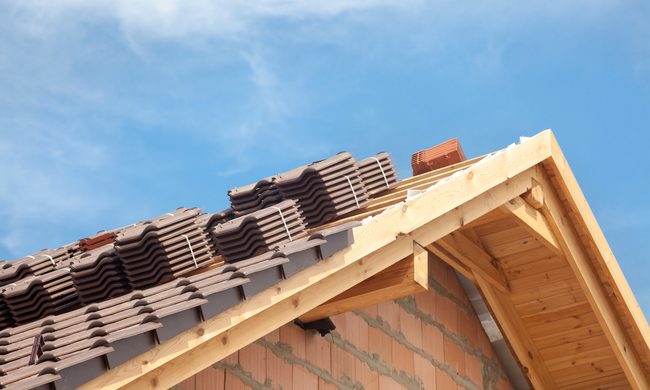
The roof of a building is the most critical part of any structure, as it protects the building from the elements. Furthermore, roof trusses are one of the most essential structural parts of roofs. The roof truss is the framework of the roof and has become one of the most reliable and structurally secure methods to build a roof, given they carry the weight of the frame and walls of a home.
Additionally, trusses help prevent walls from any structural bending or flexing over time. There are many types of trusses on the market in which the truss can ultimately determine the shape of the roof once built. Therefore, let’s explore all the methods of how to build roof trusses.

What are roof trusses?
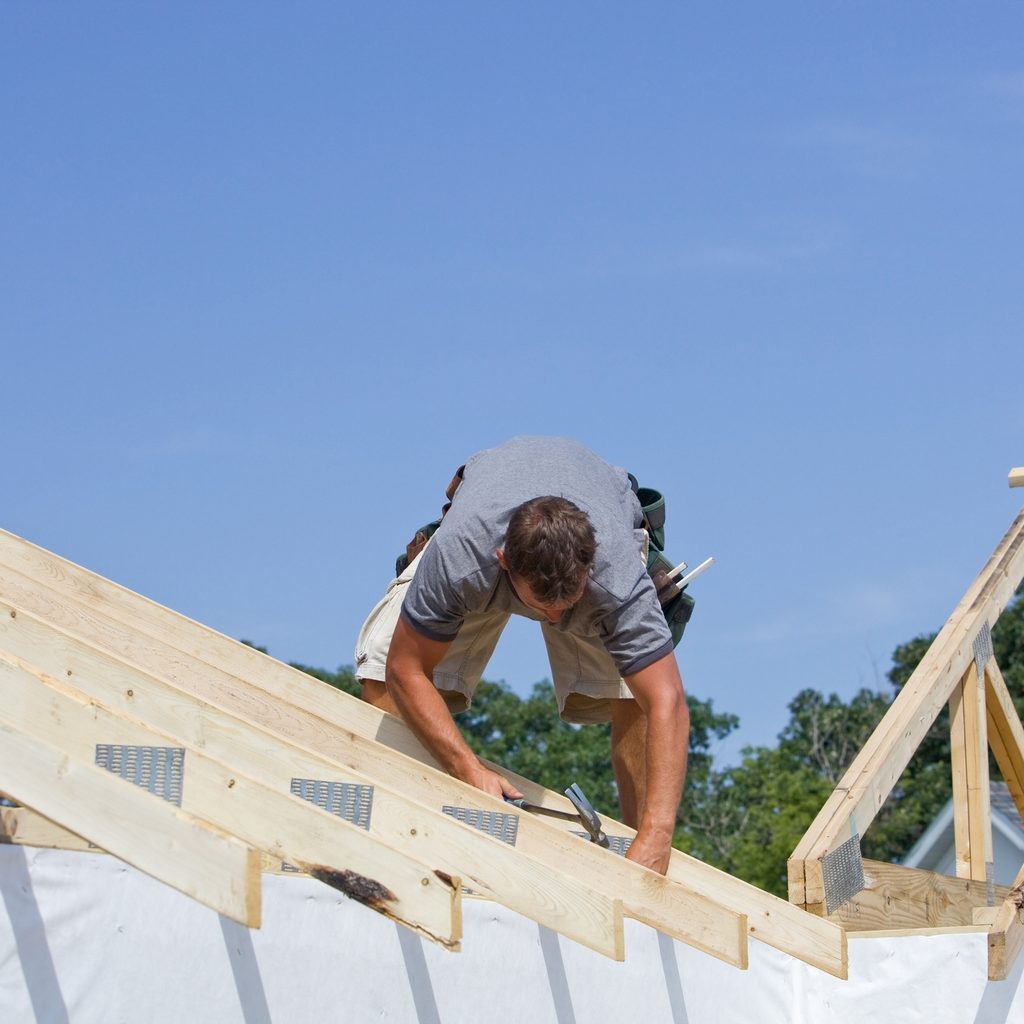
In order to understand how to build roof trusses, it’s vital to grasp the basic components of roof trusses. Structural roof trusses are typically connected with galvanized metal plates while joining together in a triangle shape. Trusses gain their structural advantage by the use of the natural strength of a triangle. For example, a triangle made of three pieces of plywood, yet without a back, can still stand alone without needing additional support. There’s no mobility for anything to move with a triangle, which means the sides and angles must stay the same.
Common roof trusses
There are several types of roof trusses common today. The majority of roof trusses are built with either 2-by-4 or 2-by-6 lumber. While the designs of trusses may differ, they all still execute some form of a triangle design, given this is the most substantial hold for roof trusses.
Below is a list of a few of the most common roof trusses when determining which one works best for the building plan.
- King post trusses – These are the most straightforward truss design and ideal for short distances with only a span of 5 to 8 meters. These trusses are also the most cost-effective option for roof trusses.
- Queen post trusses – This type of truss, similar to a king post, has two queen posts connected by a straining beam. These trusses are fitting for home construction or additions. They have a higher price point than king post trusses, yet span longer at 8 to 12 meters.
- Fink trusses – These trusses are the most common type seen in residential roofing. They feature a “W” shape design, which provides a more significant amount of load-carrying capacity. Also, fink trusses allow for storage space, can span up to 14 meters apart, and are considered one of the most cost-effective roof trusses available.
Difference between buying or building roof trusses
Whether you’re buying prefabricated trusses or building them yourself, it’s crucial to compare the cost between both options. There are several factors to consider when purchasing versus building roof trusses yourself.
One advantage to the pre-built option is that the price of a prefabricated truss package compared to the material and labor costs to construct on-site can equate from 30% to 50% less than the DIY option. Another advantage is that fabricated trusses have set measurements loaded into a software program and then cut to the same size, which almost guarantees the accuracy of each truss.
Some disadvantages can be that the assembled trusses are large scale in size and heavy, which can elevate shipping costs to have them delivered to the job site. Additionally, you’ll need to rent a crane or a boom lift to place them on the roof safely. You should also consider that the truss design could limit the use of the space beneath and between them when they’re prefabricated, if you wish to use the finished attic space.
Constructing a roof truss
Building a truss is still considerably faster and more manageable, given the home’s design allows for it. If trusses are constructed in advance, ensure you keep them off the ground and covered with a tarp to avoid moisture getting to them. Here are the steps to build roof trusses:
- Layout the truss design on a slab or floor while attaching blocks to help locate the individual pieces.
- Create the first truss by calculating the angles for your cuts and the overall dimensions for each article.
- Use the same truss design to duplicate and cut each, matching the exact measurements.
- Use plywood to join the plates by nailing them to the 2-by-4 pieces used to make the trusses with coated box nails.
Final thoughts on building a roof truss
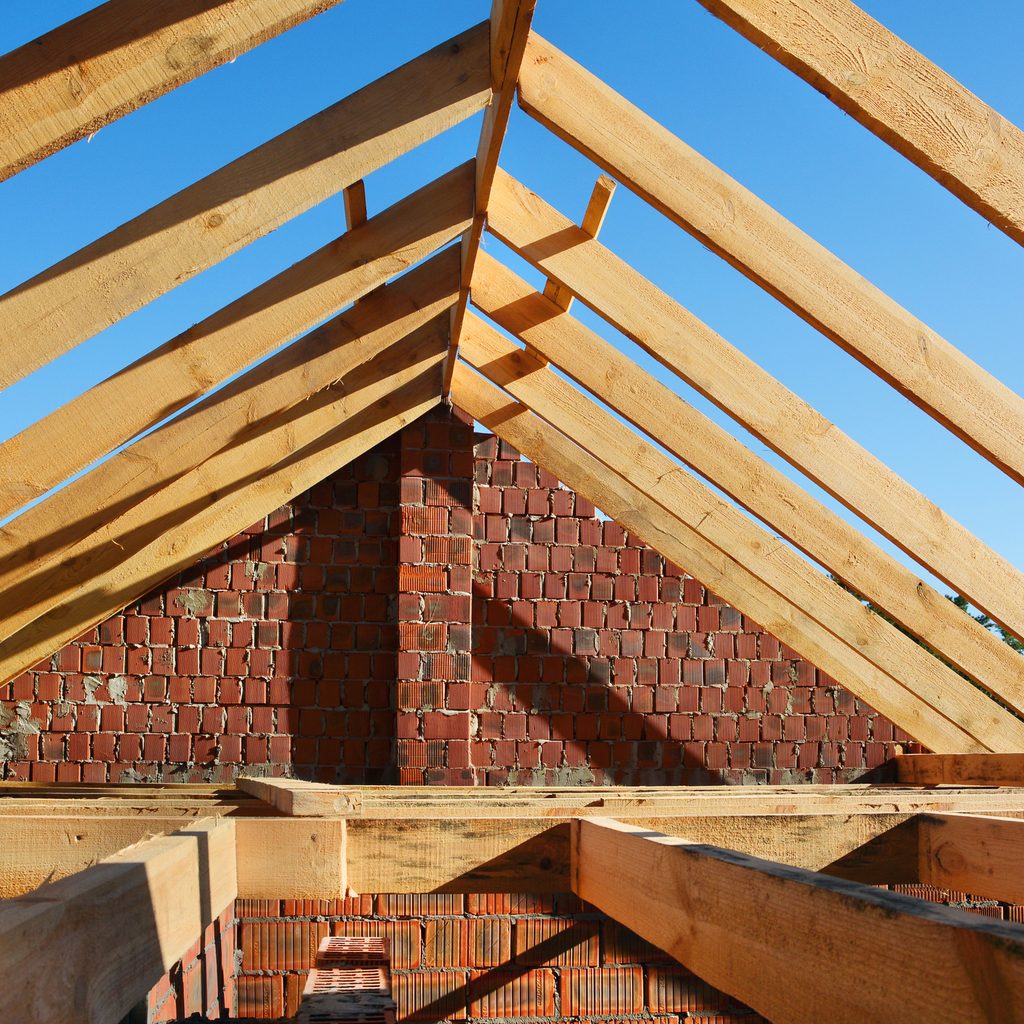
Building a roof truss can be more cost-effective than prefabricated versions. Understanding the critical design of building roof trusses to fit the building project is key to the roof’s structural integrity. In today’s market, most new homes are built with trusses rather than rafters or stick frame designs, because of their low cost and simple process.
When deciding whether to make the roof trusses or buy them, it’s noteworthy to consider the time it may take to build compared to receiving pre-built varieties. Roof trusses are important to ensure high-quality roof construction keeps most homes safe and secure from the elements.