
  1. Home
  2. Operations
  3. Evergreens

5 value options for automotive and electrical wiring

Add as a preferred source on Google

All wiring is not created equal. Things like pliability, insulation and durability–the ability to withstand elements and erosion—can drastically alter the value and application of a given spool. One massively important factor is the conductor material itself. Plenty of wiring is made with copper-clad aluminum, which degrades more rapidly with time and use, depending on factors like insulation and application. Four out of five of these value options below are OFC-grade, meaning they’re made with 99.9% oxygen-free copper for better conductivity and durability, and all of them are value-priced.

Here’s a serious length of wire from GS Power that’s compatible for speaker, automotive, trailer, home theater, and stereo uses—especially handy in automotive applications as it’s resistant to oil and gas, with PVC insulation that protects the copper from a range of -40 to 176 degrees Fahrenheit. The wire jacketing is unmarked, and the wires are bonded, but they pull apart, and bend and solder, easily. Most importantly, 99.9% oxygen-free copper means enhanced conductivity for the job.
Recommended Videos
A 50-foot spool of 10 AWG (American Wire Gauge) copper wiring, also from GS Power, it’s also 99.9% oxygen-free (i.e. OFC copper). Thicker than the 16 AWG, it’s still relatively pliable, for a variety of applications, and GPT grade in terms of environmental durability (and specific automotive application). span. Jacket comes unmarked, with PVC insulation providing the same temperature-range protection to copper interior, ideal for automotive stereo, robotics, R/C, and home theater applications.
This 6-pack of 16 gauge wire (100-foot spools each) is a good investment for serious wiring needs. Jackets come unmarked, but multi-colored, allowing you to categorize by sight. PVC insulated, the wiring is copper-clad aluminum, i.e. CCA, i.e. not resistant to corrosion. Wiring alsonot suitable for wet or harsh-weather environments, meaning you’ll want to stick to things like home theater, LED lights, and car radio speaker set-ups, etc. Interior applications where CCA-grade wiring is acceptable.
Another 100 feet of wiring from GS Power, this is 12 gauge OFC wiring useful for a variety of applications (think car stereo, trailer interior, speakers, home theater). The pure copper wire is PVC insulated, ensuring long shelf life and durability for your wiring setup. The jackets (in red and black) are bonded and unmarked, but pull apart easily for use.
Again, if you’re powering through wire, a four-pack of 12 gauge wiring like this is a decent investment. Also from GS Power, OFC wiring (i.e. not as susceptible to corrosion as CCA), it comes with a thick, unmarked jacket in blue, red, yellow, and black. Use for home theater, low-voltage LED lighting, automotive interior/speaker, etc.

Again, every wiring project is different, but no matter what, they all require quality and durability in your wires. From the wiring itself, copper- or aluminum-based, to the thickness and pliability of the jacket, it’s important to assess quality according to your needs. And whatever your specific needs, whether you go through a good amount of electrical wire in a home or professional setting, these five options will keep you in good shape, at reasonable cost.
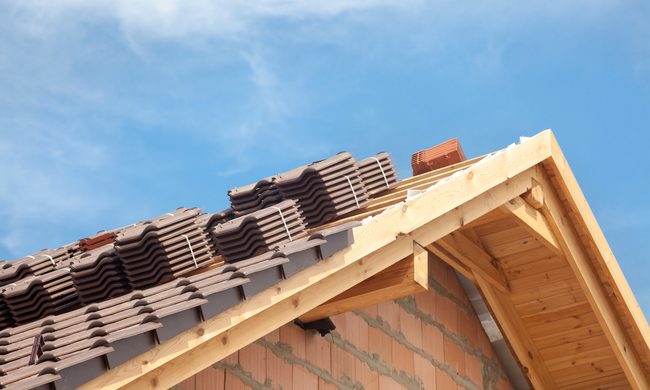
How to determine roof pitch
Building roof pitch height

Often, home building and construction experts will discuss the pitch of a home's roof. When someone mentions the pitch of a roof, they're referring to the measurement of a roof's slope expressed as a ratio. Although there is no one particular standard roof pitch used on all sloping ceilings, factors such as roofing materials and the local environment and climate can aid in determining the suitable range of angles for a specific structure.

There are countless varieties of roof pitches used throughout the world, depending on the home style and region. In order to learn how to determine roof pitch easier, this guide will help you understand the standard roof pitch and how to calculate it.

Read more
How to measure and estimate a roof like a pro
Roofer estimating

One of the challenging parts of any roof repair is being able to measure the roof accurately. Measuring a roof is crucial when planning out your material purchases before any roofing project.

A new roof is a significant investment, thus, accurate measurements are critical when determining construction costs. Accurately measuring a roof may seem challenging, given it requires a tremendous amount of detail that could result in costly errors. However, how to measure a roof can be much simpler than you may think. This guide will give you information on how to measure a roof like a pro while saving time and money in your roofing project.

Read more
Roofing tools that are most important for repairs
Hammer, nails, and glove on a roof

Tools are essential items needed for any construction project around the home. The tools you need are vital when replacing roof shingles. Since you're doing repairs on the roof, you want to ensure you have the right equipment for the job.

You may have some of these tools on hand. However, if you don't, purchasing them ahead of time will speed up the prep process to complete your roof repair. Having all the roofing tools ahead of time will also ensure you get the job done with ease. Let’s review some of the best roofing tools that are critical for repairing roofs. 

Read more