
Much like gas or diesel cars, not all fuel sources are the same. Electric vehicles come in a variety as different waves of innovation emerge. There are three distinctive types of electric vehicles:
- All-electric vehicles
- Plug-in hybrid electric vehicles
- Hybrid vehicles
Each of these vehicle types comes with different charging and operational requirements. Pricing varies drastically for some, whereas others are comparable in cost to traditional gas-powered vehicles. Pricing isn’t the only significant difference. These vehicles come with unique benefits and drawbacks.
If you’re looking at purchasing or investing in electric vehicles, you need to make an informed choice. Read more to discover valuable information about these different electric cars to decide which is best for you.
All-electric vehicles
All-electric vehicles are exactly as they sound. They operate entirely on electric motors, without transmissions or any gas-to-electric conversion. EVs are only operable after plugging in and building up a charge, based on the level of charge needed for the vehicle type. Popular manufactures of this vehicle type include Tesla, however, most other automakers are entering the EV world, too, such as VW, Nissan, Ford, BMW, Toyota, and much more.
Batteries and charging
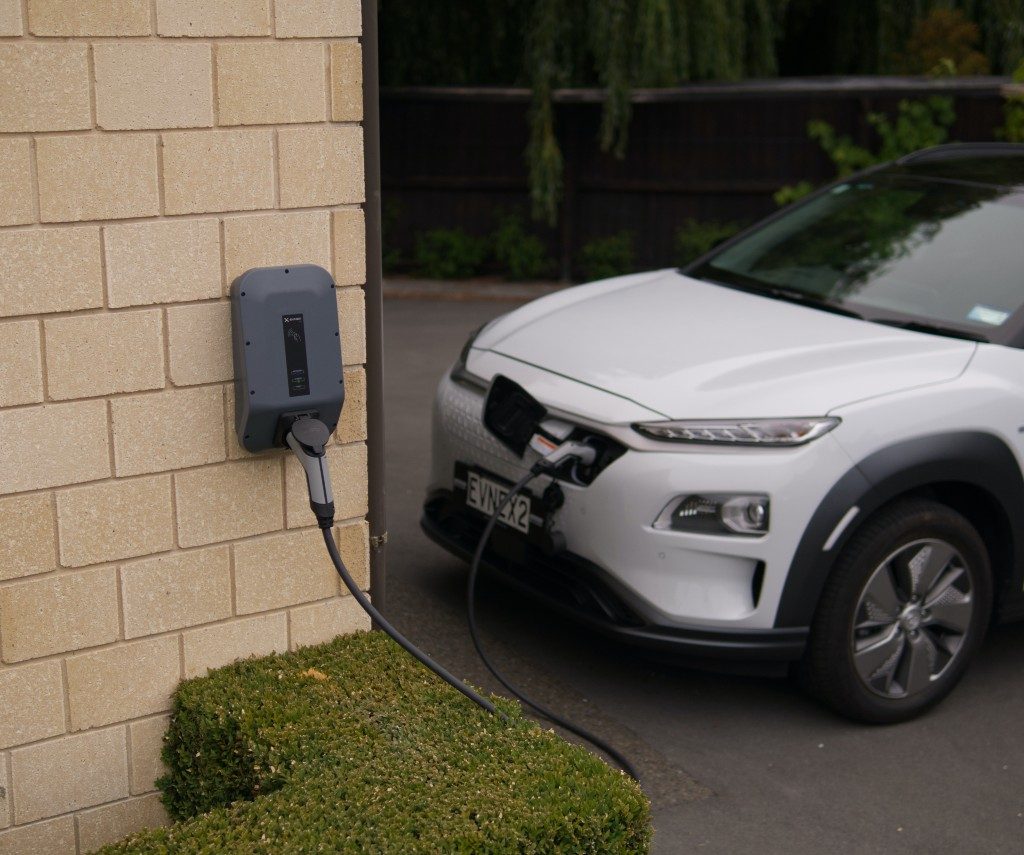
EVs use battery packs, which allow for better storage, faster acceleration, and more space in the vehicle cabin. Charging levels vary by vehicle make and model. For fast charging with direct current, or DC, you can’t plug in at home. However, you can invest in an overnight electric vehicle supply equipment charging station at home for a few hundred dollars.
Depending on where you live, you can use public quick chargers for a fee, as you would pay for gas by the gallon at a fuel station. This is still cheaper than gasoline, but finding a convenient charging station may be the challenge.
Pricing
Many EVs come with a pretty steep price tag, however, as more and more automakers release EVs, the price may eventually go down. If you’re the type who prefers to buy brand-new vehicles, you may be interested in an all-electric vehicle. If you want something used with a more economical price tag, you might consider PHEVs or older hybrids.
Plug-in hybrid electric vehicles
Now, you might be confused as to the difference between an EV and a plug-in hybrid electric vehicle. Since you must plug in to charge it, what’s the difference? The hybrid aspect of these engines is the difference. PHEVs are the step above hybrids to a fully electric vehicle. This has been the industry standard solution for resolving EVs’ lack of transmission and horsepower.
Think of Jeep, Hummer, Ford, Chevy, and other high-power, high-emission vehicle types looking to bridge the gap in sustainability. For now, PHEVs are the norm. These cars have a small combustion engine and the ability to plug in and charge. They primarily run on electric power, unless higher horsepower is needed. If that’s the case, the vehicle switches to gas power.
Batteries and charging
PHEV batteries are much easier to charge than EV batteries. You don’t need a special electrical setup; just a steady current dedicated to charging. Think of the battery as a primary fuel source, with gas as the backup. Better mileage than standard gas vehicles means fueling up less often, without sole reliance on electric power or access.
A plug-in hybrid gives you options with power and fuel. EVs limit you to electricity only. If you want a truck, SUV, or crossover, consider this your best solution until Tesla, Nissan, Ford, and others come up with a more reliable and affordable solution.
Pricing
PHEVs are more affordable than all-electric vehicles. Although trucks and SUVs are higher-priced modes of transportation, you’re getting a lot more flexibility with your purchase. You don’t lose the horsepower of a standard gas vehicle like you do with an EV. Plus, PHEVs are more common (right now), so financing and preowned vehicles are even more affordable.
Hybrid vehicles
Hybrid vehicles are the least powerful on this list, in terms of electrical power. These vehicle types have been around the longest, which means there are many models available for purchase (new and preowned). Hybrids save gas usage by switching to electric power when the vehicle idles, turns on, and stops.
The other EV types allow for a full transfer or usage of the electric motor. The emphasis on a gas motor shows how early on this vehicle make was developed prior to PHEVs. You can’t plug in hybrids, either. Instead, when the battery dies, you have to spend a few grand to replace it.
Batteries and charging
You can’t charge a hybrid. You can only replace its battery. That creates immediate convenience, but limits your fuel savings, as you have to replace the battery, eventually.
Pricing
Hybrids are the most affordable on this list, except for the necessary battery replacement. Unlike EVs, PHEVs, or gas vehicle batteries, the standard price isn’t cheap. The computerized portions of hybrid batteries, along with the chemical cost of production, mean a steep cost every several years.
Picking the best electric vehicle type for you
If you can afford an EV, buy one and take advantage of this new technology that helps save the earth with no emissions. Or wait a little while until you can purchase an all-electric Volkswagen bus for a nostalgic investment.
You may consider your PHEV options for high horsepower and more flexibility. Hybrids are a good solution if you can’t afford a new or preowned PHEV, or if you’re hesitant to transition entirely away from gas-powered cars.